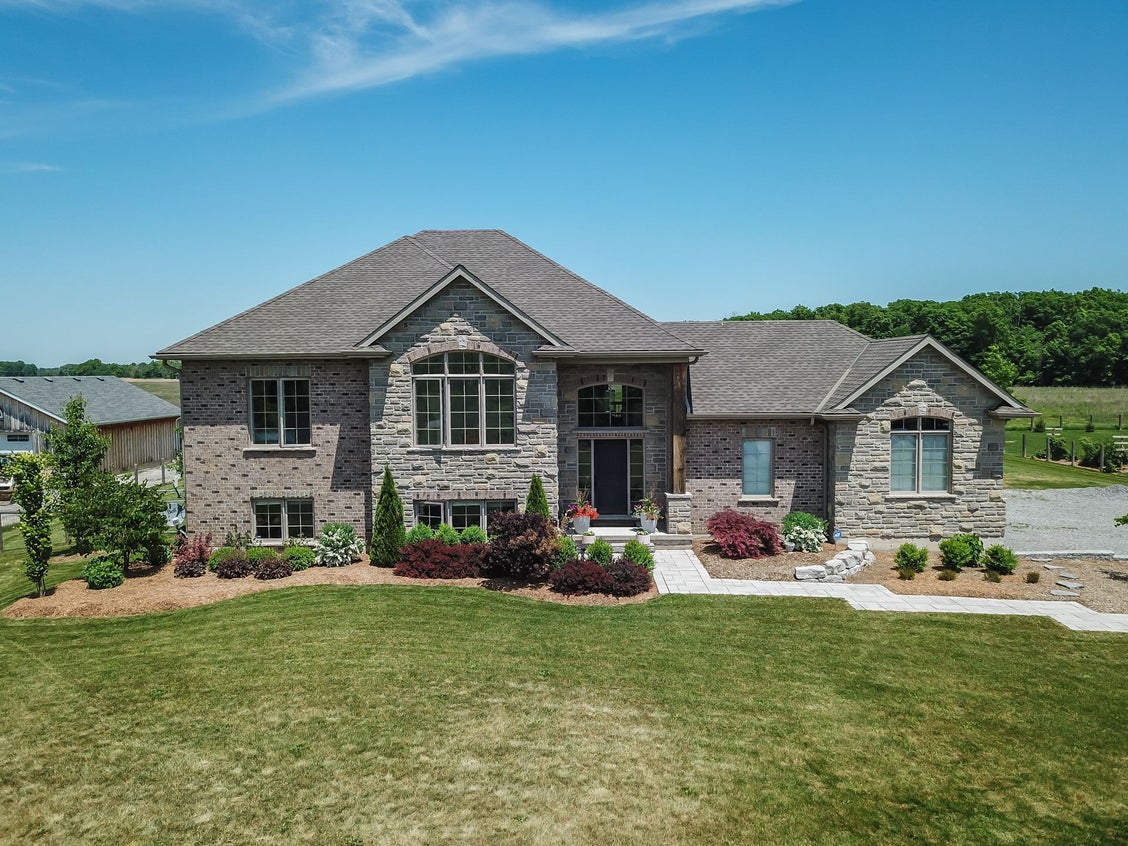
If you are considering buying rural property in Ontario, these five factors can help you evaluate your options and make a more informed purchase.
What to Know Before Purchasing Rural Property
Buying rural property requires careful planning beyond the purchase price. Review these five key factors to understand the property's condition, permitted uses, ongoing costs, and suitability for your needs.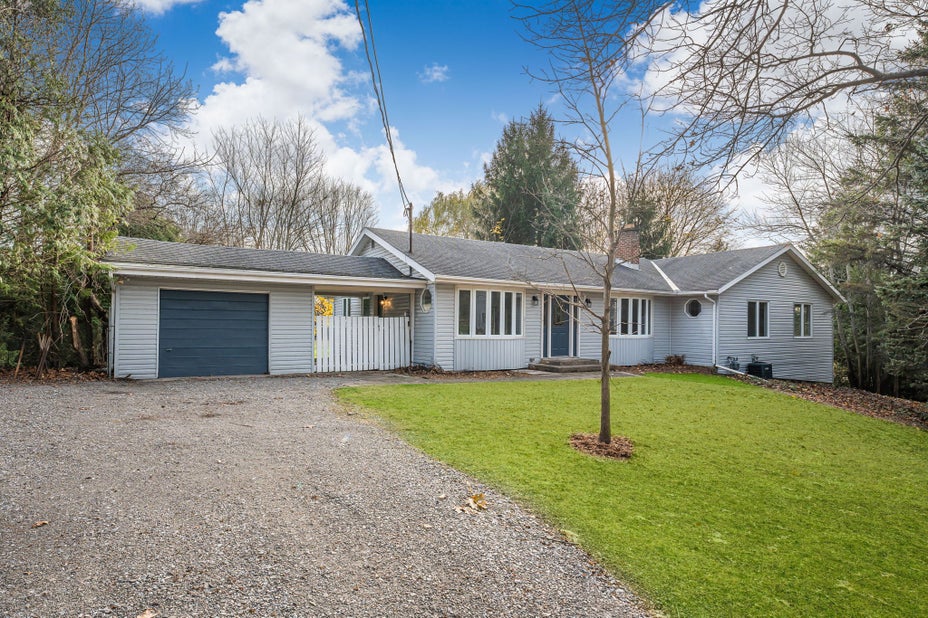
1. Understand the Property's Zoning and Permitted Uses
Before you buy a rural property, check its zoning and permitted uses. Rural properties may allow residential living, farming, or livestock, depending on local regulations.If you plan to build additional structures, run a home-based business, or use the land for farming, confirm that these activities are permitted. In Haldimand County, check zoning rules, building permits, easements, and conservation restrictions before making an offer.
2. Check the Water Supply and Septic System
Many rural properties rely on private wells and septic systems instead of municipal services. Their condition can affect your daily living costs and future maintenance needs.When considering rural property for sale in Ontario, ask about the water source, arrange water-quality testing, and review available well records. For septic systems, request permits, inspection reports, and maintenance records. A qualified professional can identify potential repairs or replacement costs.
Note: Explore the best rural property listings in Dunnville with expert guidance. Learn how to identify the right acreage, location, features, and value for your lifestyle goals.
3. Calculate Property Taxes and Ongoing Expenses
The purchase price is only part of the cost of owning rural property. Review the current property tax bill and budget for ongoing expenses, including:- Property taxes and insurance
- Well and septic maintenance
- Electricity, heating, and internet
- Driveway repairs and snow removal
- Fencing, landscaping, and building maintenance
4. Confirm Access, Utilities, and Internet Availability
Before purchasing, confirm that the property has legal road access and can be reached throughout the year. Check whether the road is publicly or privately maintained and who handles snow removal and driveway maintenance.Also, verify the availability and cost of electricity, heating, internet, and mobile coverage. Some rural properties may require additional work to connect essential services, particularly if you plan to work remotely or live there year-round.
5. Arrange Financing and a Thorough Property Inspection
Financing a rural property may involve additional requirements based on its location, acreage, condition, and intended use. Speak with a lender familiar with rural properties to understand the available mortgage options, down payment requirements, and any additional lending conditions.Arrange a home inspection and any necessary well, septic, drainage, or survey assessments. These checks can reveal potential issues, help you estimate repair costs, and support a more informed buying decision.
Note: Use our Mortgage Payment Calculator to estimate your monthly mortgage payments, including taxes and insurance.
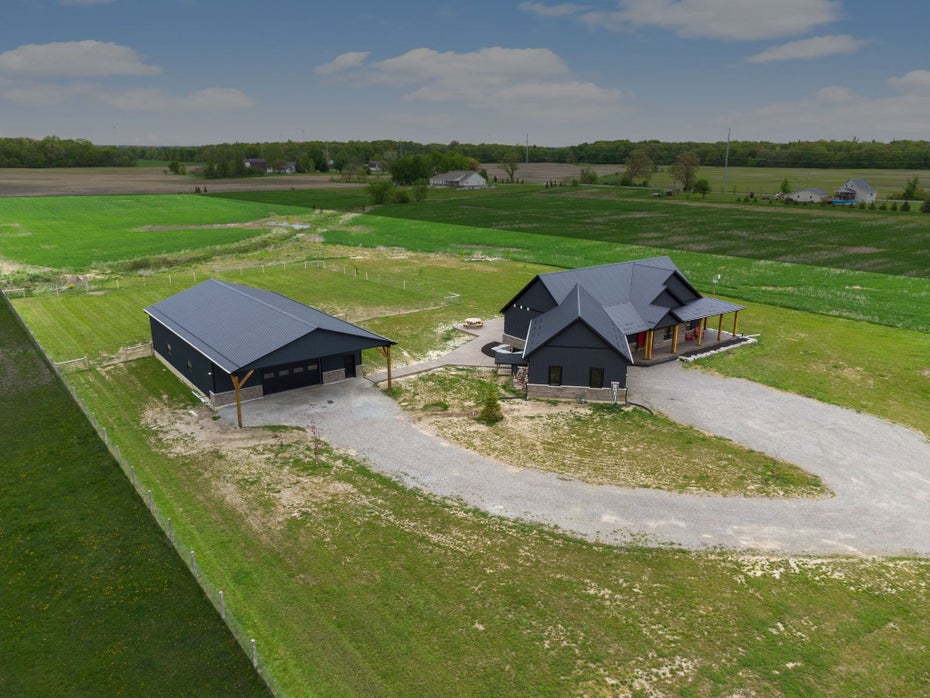
Let's Talk About Your Rural Property Plans
Thinking about buying rural property? Corey Schilstra is a local real estate agent with hands-on construction experience and knowledge of Dunnville and the surrounding area. Get practical guidance to help you evaluate properties, understand your options, and make an informed decision.Have questions about your next move? Connect with Corey to discuss your rural property goals.
What to Avoid When Purchasing Rural Property
Buying rural property involves considerations that buyers may overlook. Keep these four common mistakes in mind to avoid unexpected expenses and make a more informed purchase.1. Skipping Property Inspections
Never skip inspections to save time or money. Check the home's structure, roof, drainage, and foundation. Arrange professional well-water testing and septic system assessments to identify potential problems before finalizing your purchase.2. Overlooking Zoning Restrictions
Do not assume you can use rural land for any purpose. Check local zoning regulations, building restrictions, easements, and conservation requirements before planning renovations, adding structures, or using the property for agricultural activities.3. Underestimating Ongoing Costs
Avoid focusing only on the purchase price. Budget for property taxes, utilities, driveway maintenance, fencing, heating, and well or septic repairs. These expenses can add up and affect your long-term affordability.4. Ignoring Access and Utilities
Do not assume every rural property has reliable road access or essential services. Confirm road maintenance responsibilities, electricity availability, internet coverage, and water supply before buying to avoid unexpected connection costs and everyday inconveniences.Related Articles:
What Type of Property is Best for Investment
What Factors Affect the Value of Your Property
What Should You Fix Before Selling Your Home In Dunnville?