
But that does not mean you need to spend thousands renovating your home from top to bottom. Selling your home does not require fixing every small imperfection. The real question is: which repairs are worth making before you sell, and which ones are better left alone?
Knowing the difference can help you prepare your home, avoid unnecessary expenses, and make a stronger first impression on potential buyers.
Should You Repair Everything Before Selling?
No, you do not need to fix every imperfection before putting your home on the market. The goal is to focus your time and money on repairs that can improve the home's condition, address buyer concerns, and support a strong first impression.Focus on Problems That Affect Value or Appeal
Start with issues that are clearly visible, affect how the home functions, or could make buyers question its condition. These are the problems buyers are more likely to notice during a showing. Since repairs can influence the value of your property, prioritize improvements that address visible concerns and improve the overall presentation.Think about repairs that can:
- Improve the home's overall condition
- Remove obvious maintenance concerns
- Prevent buyers from negotiating over repairs
- Make rooms feel cleaner and better maintained
- Improve the property's first impression
Avoid Spending on Unnecessary Upgrades
Selling your home does not mean you need to make it look brand new. Major renovations can be expensive, so it is important to consider whether you should renovate your house before selling or focus on smaller repairs.Before replacing a functional kitchen, installing expensive flooring, or making other major upgrades, consider the current condition of your home and what buyers are likely to value. A conversation with a local REALTOR® can help you decide which improvements are worth considering and which ones you can leave for the next owner.
What Areas of Your Home Need Attention?
Before listing your home in Dunnville, focus on repairs that buyers are likely to notice during a showing. Addressing visible damage, maintenance concerns, and worn areas can help your property make a stronger first impression.1. Start With the Repairs Buyers Will Notice First
Walk through your home as if you were seeing it for the first time. Look closely at the details you may have stopped noticing, such as damaged trim, loose handles, or marks on the walls. These small issues can make buyers question how well the property has been maintained.
Common repairs to consider include:
- Leaky faucets or plumbing
- Damaged doors or trim
- Broken light fixtures
- Loose cabinet handles
- Peeling paint
- Damaged flooring
- Cracked tiles
- Visible wall damage
Note: Curious about your property’s value in Dunnville and the surrounding areas? Get a free home evaluation with a detailed market analysis and comparable listings.
2. Fix Problems That Could Raise Red Flags
Some issues deserve more attention because they can make buyers concerned about larger maintenance problems. Signs of moisture, electrical issues, or structural damage may lead buyers to look more closely or reconsider an offer.Before listing, consider addressing known problems such as:
- Active plumbing leaks
- Water stains or moisture damage
- Electrical problems
- Damaged roofing
- Poor drainage around the property
- Broken windows
- Heating or cooling problems
Note: If you have a long list of repairs, start with the ones that are most visible and useful to buyers. Speaking with a local Dunnville real estate agent can help you decide where your time and money are best spent.
3. Give the Exterior Some Attention
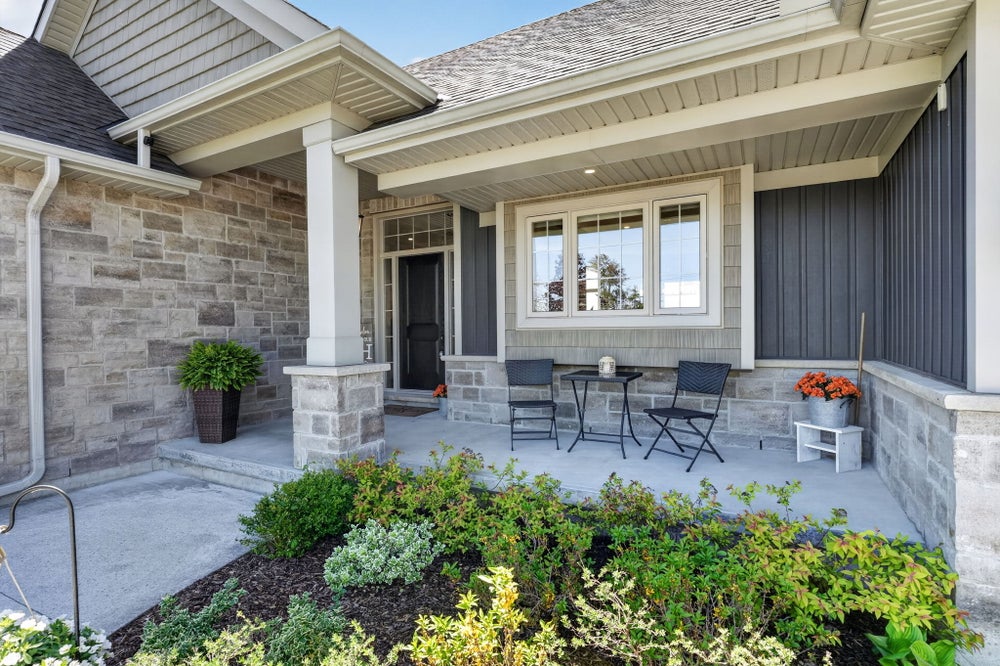
Your home's exterior is often the first part buyers see, so its condition can influence their initial impression. A clean, maintained exterior can make the property feel more inviting before buyers even step inside.Start with simple improvements such as cleaning the exterior, trimming overgrown landscaping, removing debris, and touching up areas that look worn. Also check the driveway, walkway, exterior lighting, railings, fencing, and garage door for visible problems.
4. Refresh Walls and High-Traffic Areas
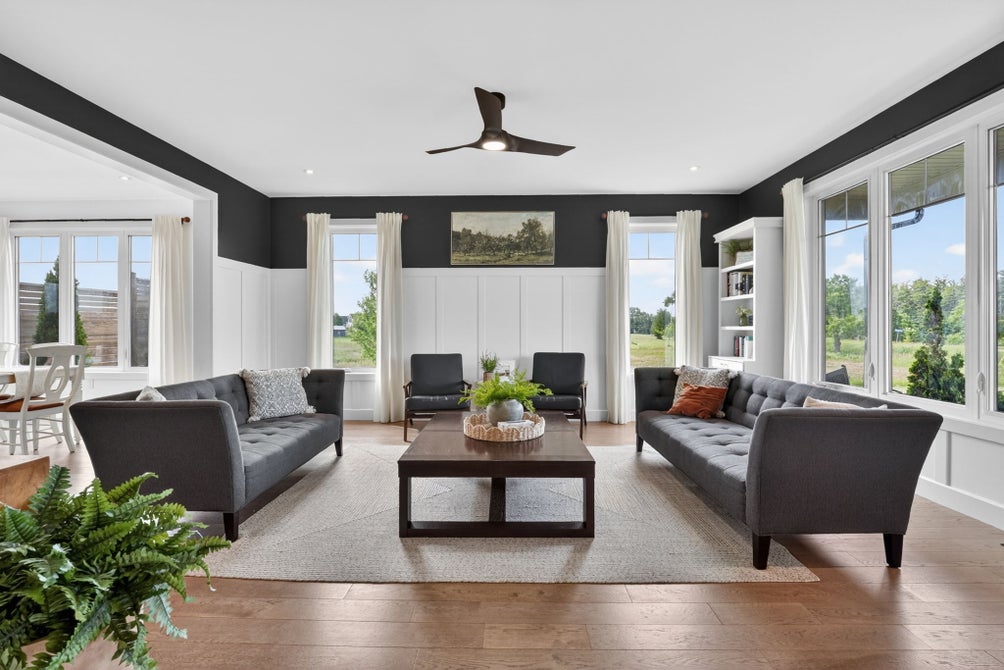
Walls in busy areas can collect scuffs, marks, and other signs of everyday use. If the paint is heavily marked, peeling, or damaged, a simple refresh can make the space look cleaner without requiring a major renovation.Pay particular attention to entryways, hallways, kitchens, living rooms, stairways, and bathrooms. Neutral, clean-looking walls can also make rooms feel more inviting and allow potential buyers to picture their own furniture and belongings in the space.
5. Take a Close Look at the Kitchen and Bathrooms
Kitchens and bathrooms can have a noticeable impact on how buyers view the overall condition of a home. However, selling does not automatically mean you need to complete a costly renovation.Focus first on practical and visible improvements. Repair leaking fixtures, replace broken hardware, fix damaged cabinets, clean grout, and address obvious cosmetic problems. If these spaces are dated but functional, consider getting a local REALTOR®'s opinion before committing to a major renovation.
6. Check the Flooring
Worn or damaged flooring can make a home appear less maintained, particularly when problems are easy to see during a showing. Walk through each room and look for stains, loose flooring, damaged boards, cracked tiles, or heavily worn carpet.Some problems may only require professional cleaning or a minor repair. Replacement may make sense in other situations, but compare the potential benefit with the cost before making a large investment.
7. Do Not Overlook Small Repairs
Small problems can be easy to ignore when you have lived in a home for years, but buyers may notice them during a showing. A room-by-room inspection can help you identify the details that need attention before listing.Look for issues such as:
- Squeaky doors
- Loose handles
- Burnt-out bulbs
- Damaged screens
- Sticking windows
- Loose railings
- Missing caulking
- Small drywall holes
Related Articles:
What Makes Dunnville an Attractive Place to Live?
8 Reasons Fenwick Could Be a Good Place to Retire
What Makes Fonthill Different From Other Niagara Communities
Get Local Advice Before Making Pre-Sale Repairs
Before starting a long list of repairs, get advice from Corey Schilstra, a REALTOR® who understands the Dunnville market and the factors that can influence how buyers view a property. His local perspective can help you separate necessary repairs from optional upgrades.Corey can look at your property from a buyer’s perspective and help identify improvements that may strengthen its presentation. He can also help you consider where your time and money may be better spent before putting your home on the market.
The goal is not to make your home perfect. It is to present the property in a condition that supports your selling strategy and attracts serious buyers. If you are planning to sell in Dunnville, a free home evaluation with Corey can help you understand your property's market position and what may be worth addressing before listing.
Final Thoughts
The best repairs to make before selling your home in Dunnville are not necessarily the biggest or most expensive ones. Focus on fixing problems that buyers will notice, addressing maintenance concerns, and making the property feel clean, cared for, and ready for its next owner.Before you start spending, make a list of the repairs your home actually needs and prioritize them based on their potential impact. A few well-chosen improvements can help your home make a stronger impression without turning your pre-sale preparation into a costly renovation project.