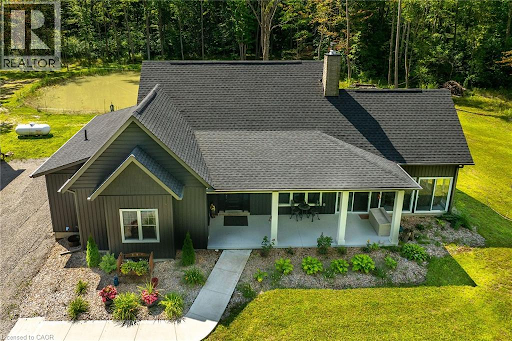
Buying a cottage in Dunnville can feel like a dream come true, with peaceful watefront surroundings, scenic views, and a relaxing escape from busy city life. However, without the right planning, that dream can quickly turn into a costly mistake.
Many buyers exploring cottages for sale in Dunnville overlook key factors like seasonal access, maintenance costs, breakwall & erosion, and property regulations, which can lead to unexpected challenges later.
Whether you're looking for a weekend retreat or a long-term investment understanding what to avoid is just as important as knowing what to look for. In this guide, I’ll walk you through the most common mistakes buyers make and how to navigate the process with confidence.

7 Mistakes to Avoid When Buying Cottages in Dunnville
Buying a cottage requires careful consideration of factors like location, accessibility, utilities, and long-term costs. Overlooking these details can lead to unexpected expenses and limitations. Always research thoroughly and plan before making your final decision.1. Ignoring Seasonal Access
One of the most common mistakes buyers make is failing to check whether the cottage is accessible throughout the year. Some cottages in Dunnville are located on private or unmaintained roads that may not be cleared during winter making access difficult. This can impact your ability to visit the property when you want and may even affect emergency access.- Check if the road is publicly or privately maintained
- Confirm winter snow removal services
- Ask neighbors about year-round accessibility
- Verify legal right-of-way access
2. Overlooking Maintenance Costs
Cottages often require more maintenance than regular homes, especially those located near water. Moisture, weather exposure, erosion, and aging structures can lead to higher upkeep costs. Many buyers underestimate expenses related to repairs, cleaning, and seasonal preparation.In Dunnville, factors like humidity and changing weather can accelerate wear and tear. It’s important to budget for ongoing maintenance to avoid financial strain. Regular inspections and proper planning can help keep your cottage in good condition over time.
3. Not Understanding Zoning and Regulations
Zoning laws and local regulations can significantly impact how you use your cottage. Some areas in Dunnville have restrictions on renovations, rentals, or property usage (AirBnB). Buyers who fail to check these rules may face legal issues or limitations later.It’s essential to understand what is permitted before making a purchase. Consulting with local authorities or a real estate expert can help you avoid surprises and ensure your plans align with local regulations.

Note: Browse houses for sale in Dunnville with trusted expertise, updated listings, and personalized service to help you find your ideal home quickly.
4. Skipping a Proper Inspection
A detailed property inspection is crucial when buying a cottage. Many cottages are older and may have hidden issues like structural damage, outdated wiring, septic/cistern, or plumbing problems. Skipping an inspection to save time or money can lead to costly repairs in the future.In Dunnville, environmental factors can also affect property conditions. Hiring a professional inspector ensures you are fully aware of the property's condition and helps you make an informed decision.
5. Underestimating Utility Services
Cottages often operate differently from city homes when it comes to utilities. Some rely on wells, septic systems, or limited electricity, which can affect comfort and convenience. Buyers frequently assume all services are standard, which is not always the case in Dunnville.- Confirm water source (cistern or well)
- Inspect the septic system condition
- Check the electricity capacity and reliability
- Verify internet and network availability
6. Focusing Only on Price
While affordability is important, choosing a cottage based solely on price can be a mistake. A cheaper property may come with hidden issues or higher long-term costs. In Dunnville, location, condition, and accessibility all influence value. It’s better to consider the overall investment rather than just the initial price. A well-maintained property in a good location may offer better value and fewer problems over time. One must consider the water access too - each point along the lake is different. Some areas are more prone to seaweed than others, some are in sandy areas vs rocky areas, & some experience erosion & need costly breakwalls, and some don’t.7. Not Considering Future Resale Value
Many buyers forget to think about resale value when purchasing a cottage. Even if you plan to keep it long-term, market conditions and personal situations can change. Dunnville properties with strong appeal tend to sell more easily.- Choose a desirable and accessible location
- Look for properties near water, on the water, or scenic views
- Maintain the property regularly
- Monitor local real estate trends

Ready to Buy a Cottage?
Finding your perfect cottage in Dunnville is easier when you work with the one of the best real estate agent who truly understands the local market. Corey Schilstra from Remax Escarpment Realty offers professional service with proven results, helping you navigate every step with confidence. With over 13 years of full-time experience in Haldimand County and the Niagara Region, Corey provides personalized guidance tailored to your needs. When you call, you get him directly.Whether you're buying your first cottage or investing in a vacation property, Corey takes the time to understand your goals and offers honest, experience-based advice. From exploring listings to closing the deal, you’ll have dedicated support throughout the journey.
Get in touch today and move forward with confidence toward owning your ideal cottage.