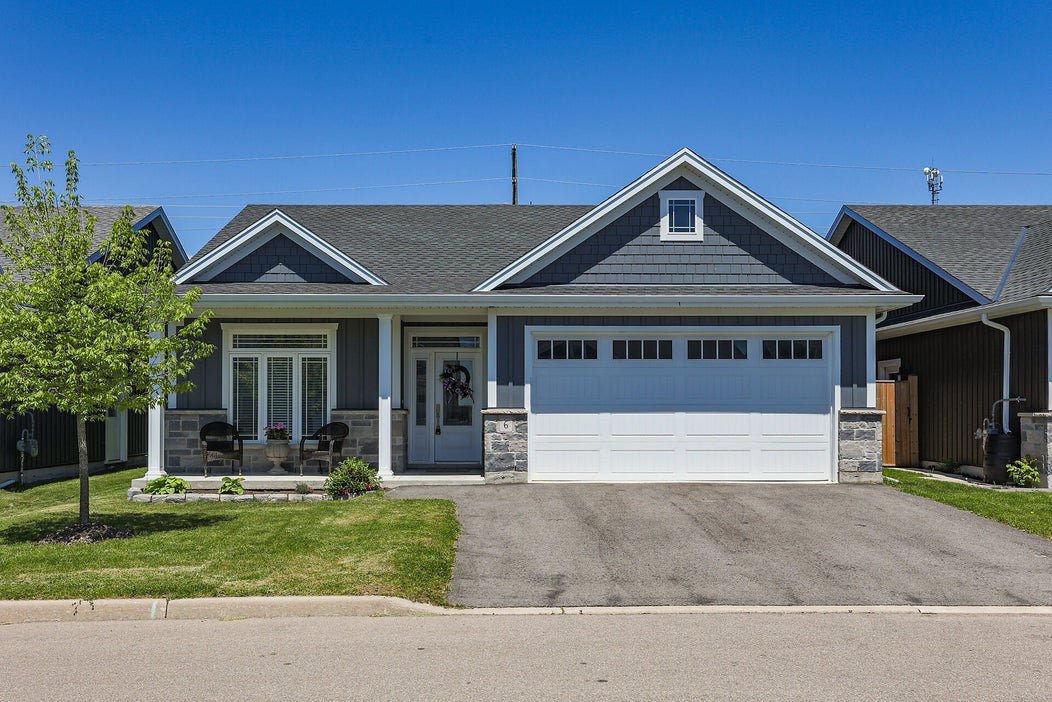
Location, condition, layout, lot size, upgrades, and current buyer demand can all influence how a property is valued. Some factors may be obvious, while others are easy to overlook.
If you are thinking about selling or simply want to understand what can affect your property’s market value, knowing these factors can help you see the bigger picture.
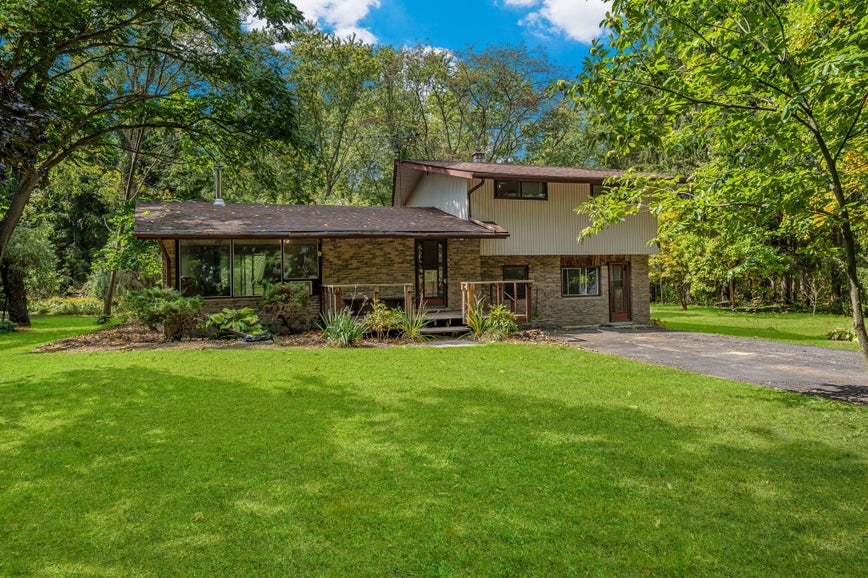
What Factors Can Increase or Decrease Your Property’s Value?
Several factors work together to influence how buyers perceive a property and what they may be willing to pay. From its location and condition to market demand, each detail can play a role.1. Location and Neighbourhood
Location is one of the biggest factors that can influence property value. Buyers often consider access to schools, shopping, parks, recreation, transportation, major roads, and other everyday amenities.The neighbourhood itself also matters. A quiet street, attractive surroundings, and convenient access to local services may appeal to more buyers. Even properties within the same community can have different values based on their specific location.
Tip: Trying to understand what you can comfortably afford when buying a property? Use the Mortgage Payment Calculator to estimate your potential monthly payments and see how different property prices may fit your budget.
2. Property and Lot Size
The amount of living space and land available can affect how buyers view a property. Along with overall size, buyers often consider whether the space is practical, usable, and suitable for their needs.Important size-related factors include:
- Total interior living space
- Overall lot size
- Usable outdoor yard space
- Privacy between neighbouring properties
3. Condition, Age, and Renovations
A well-maintained property can make a stronger impression on buyers. The age and condition of major components such as the roof, windows, foundation, plumbing, electrical systems, and heating and cooling equipment can all affect perceived value.Renovations can also improve appeal, particularly in areas such as kitchens and bathrooms. However, expensive upgrades do not automatically add the same amount to a property's market value, so improvements should be considered carefully. If you are considering selling your home, understanding which renovations are worth making can help you avoid spending more than you are likely to recover.
4. Layout, Bedrooms, Bathrooms, and Features
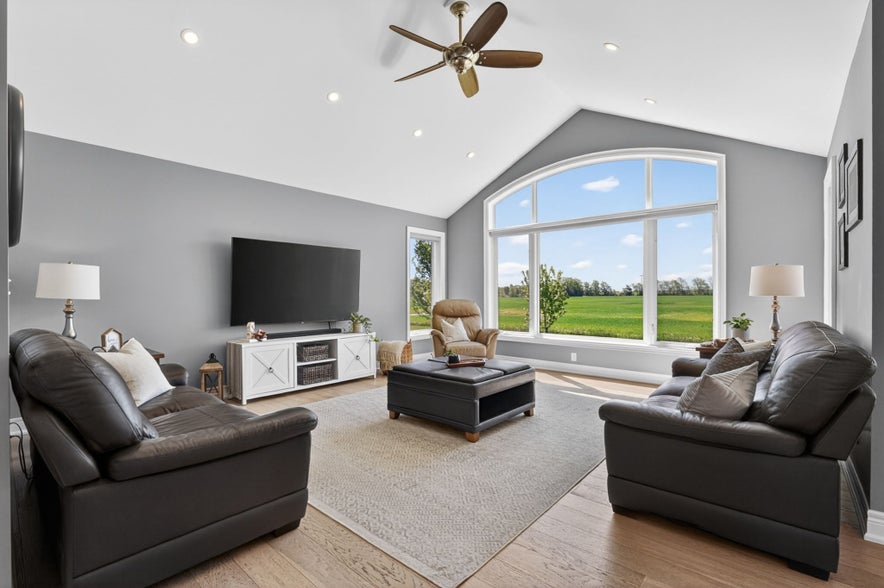
A property's layout can have a major impact on how functional it feels. Buyers may consider the number of bedrooms and bathrooms, room sizes, storage, and how easily the spaces work together.Features such as a garage, finished basement, additional living space, outdoor areas, and energy-efficient upgrades can also contribute to buyer interest. Their value will depend on local demand and the needs of potential buyers.
5. Curb Appeal and Overall Presentation
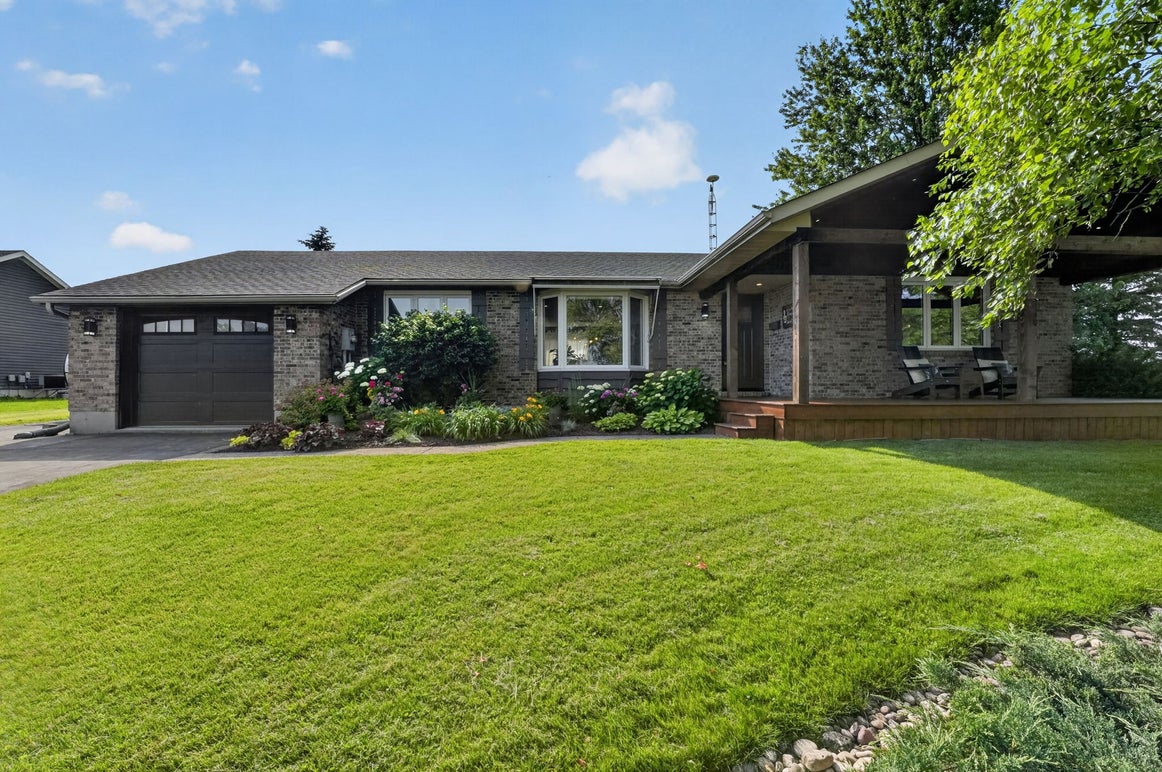
First impressions can influence how buyers respond to a property before they even step inside. A clean, maintained exterior can make the property appear more inviting and well cared for from the start.Areas that influence presentation include:
- Well-maintained landscaping and gardens
- Clean and attractive exterior
- Neat driveway and entrance
- Overall exterior property maintenance
6. Comparable Properties and Current Market Conditions
Recent sales of similar properties can provide valuable insight into a property's potential market value. Comparisons typically consider factors such as location, size, condition, features, and recent sale prices.Current market conditions also play a role. Buyer demand, available inventory, interest rates, and competing properties can influence how much buyers are prepared to offer at a particular time.
7. Unique Features and Future Potential
Some properties offer features that are not found in every listing. These characteristics may attract specific buyers, particularly those thinking about long-term property investment. Permitted opportunities for future improvements can also increase a property's appeal.Examples of unique considerations include:
- Waterfront property or nearby water
- Large acreage or private land
- Useful outbuildings and structures
- Potential for permitted improvements
How Can You Determine Your Property’s Value?
Determining a property’s value involves more than looking at its size or checking what a neighbour’s property sold for. A more accurate estimate considers several factors together, including:- Recent comparable sales: Look at similar properties that have recently sold in the same area.
- Current listings: See how your property compares with similar properties currently on the market.
- Condition and upgrades: Consider the property’s age, maintenance, renovations, and overall condition.
- Location and features: Account for the neighbourhood, lot size, parking, layout, and other features.
- Current market conditions: Buyer demand, available inventory, and other market factors can influence value.
An online estimate can provide a starting point, but it may not account for the specific features or condition of your property. A local real estate agent can review comparable sales and current market conditions to provide a more informed assessment.
Related Articles:
What Type of Property is Best for Investment
Why Buyers Choose Cayuga for Long-Term Living
Why Buying a Property in Fenwick is a Good Choice for Downsizers
Why Buyers Choose Cayuga for Long-Term Living
Why Buying a Property in Fenwick is a Good Choice for Downsizers
Want to Know How Much Your Property Could Sell For?
If you’re considering selling, understanding your property’s current market value can help you plan your next move. Corey Schilstra is a full-time REALTOR® serving Dunnville, Haldimand County, and the Niagara Region, with more than 13 years of experience helping local buyers and sellers navigate real estate.Corey can review your property, compare it with recent local sales, and consider current market conditions to give you a clearer picture of its potential value.
Get a Free Home Evaluation and connect directly with Corey to discuss your property and your selling goals.
Does a Higher Property Value Mean a Higher Selling Price?
Not necessarily. A property’s estimated market value and its final selling price can be different. While factors such as location, condition, size, and features help determine value, the price a buyer is willing to pay also depends on current market conditions and demand.For example, a property may have features that increase its estimated value, but if there are fewer active buyers, the final selling price may be different from the initial valuation.
The listing price also matters. Pricing too high can limit interest, while pricing strategically based on recent comparable sales and current competition can help attract serious buyers.
That is why looking at the complete market picture is important when deciding how to price a property for sale.
Your property’s value is shaped by more than its size or asking price. Location, condition, renovations, layout, features, comparable sales, and current market conditions can all influence what buyers may be willing to pay.