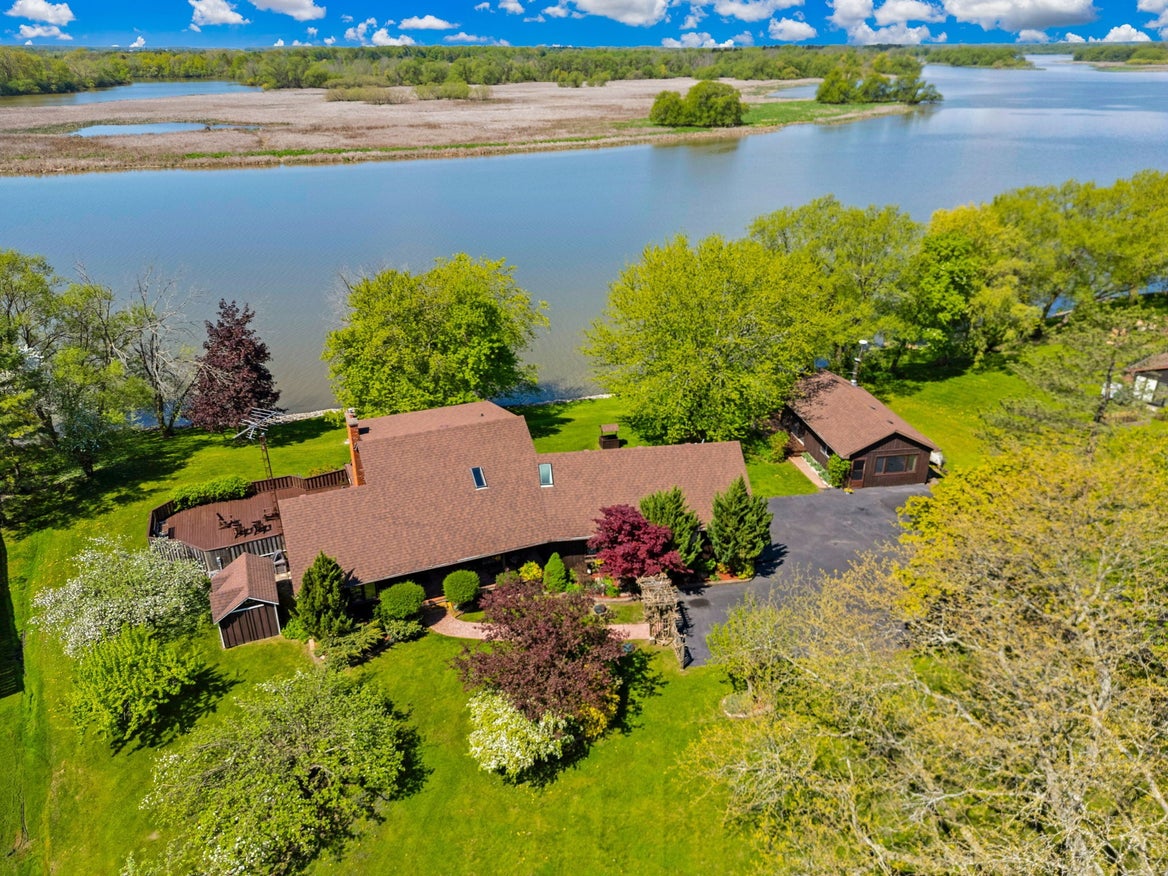
However, purchasing vacant land is different from buying an existing home. Whether you're browsing vacant land for sale or evaluating a specific property, factors such as zoning regulations, permit requirements, utility access, and future land use can significantly impact its value and usability.
In this guide, we'll cover the most important things every buyer should know before investing in vacant land.
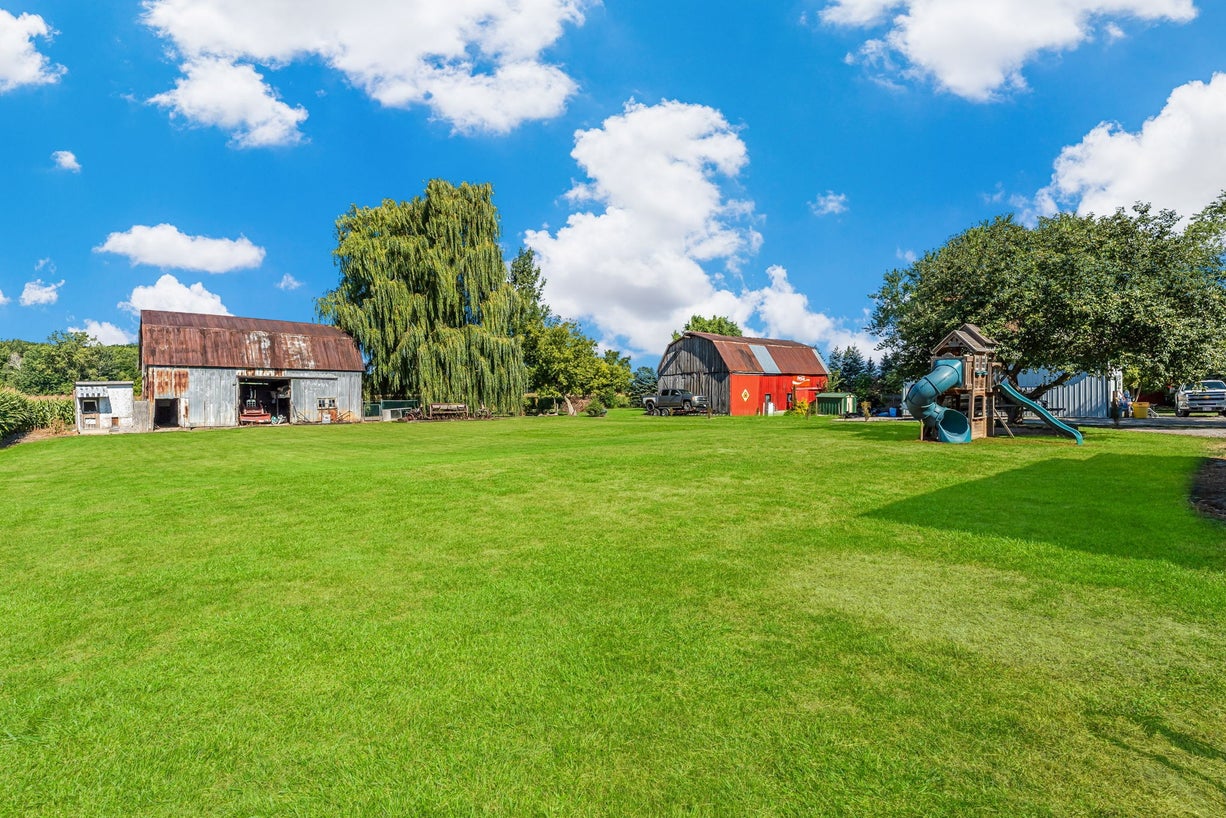
What Should You Know Before Buying Vacant Land?
Buying vacant land is an exciting opportunity, but selecting the right vacant land properties for sale involves more than just comparing prices and locations. Consider the following factors to ensure the property meets your needs and long-term goals.1. You Have the Option to Build Your Future Home
Vacant land gives you the freedom to build a home that fits your lifestyle, budget, and plans. Instead of renovating an existing property, you can create a space designed around your needs.Before buying, consider these key points:
- Confirm the land is buildable.
- Check utility and road access.
- Review the lot size and layout.
- Consider future area development.
2. Zoning and Permits Required
Before purchasing vacant land, verify the local zoning regulations and permit requirements. Zoning laws determine how the property can be used, whether for residential, commercial, agricultural, or recreational purposes.You'll also need the appropriate permits before starting any construction or development. Understanding these requirements in advance helps prevent legal issues, unexpected expenses, and project delays while ensuring your plans comply with local regulations.
Tip: Searching for vacant land in Ontario? Corey Schilstra can help you explore opportunities in Dunnville, Cayuga, Caledonia, Wainfleet, Port Colborne, and Smithville, and surrounding communities to find the right property for your goals.
3. HST (Harmonized Sales Tax) Implications
Many buyers assume vacant land is automatically tax-free, but that's not always true. Whether HST applies depends on how the seller used the property, not on how you plan to use it.Keep these points in mind:
- If the land was held for personal use, the sale is generally HST-exempt.
- If it was used for business purposes, HST typically applies.
- If the seller subdivided it into more than two lots and sold to an unrelated buyer, HST usually applies.
- Farmland sales are generally subject to HST, with limited exceptions.
4. Long-Term Investment
Vacant land can be a smart investment for buyers looking to build wealth over time. As surrounding areas grow and new infrastructure is developed, land values often increase, creating opportunities for future appreciation.Consider these investment factors:
- Local population and economic growth.
- Upcoming infrastructure projects.
- Nearby residential and commercial developments.
- Future resale potential.
5. Low Maintenance Property
Compared to developed properties, vacant land generally requires much less maintenance. There are no buildings to repair, tenants to manage, or major upkeep costs to worry about.While you'll still be responsible for property taxes and occasional land maintenance, the ongoing expenses are often lower. This makes vacant land an attractive option for buyers seeking a relatively simple and cost-effective real estate investment.
6. Flexible Land Use
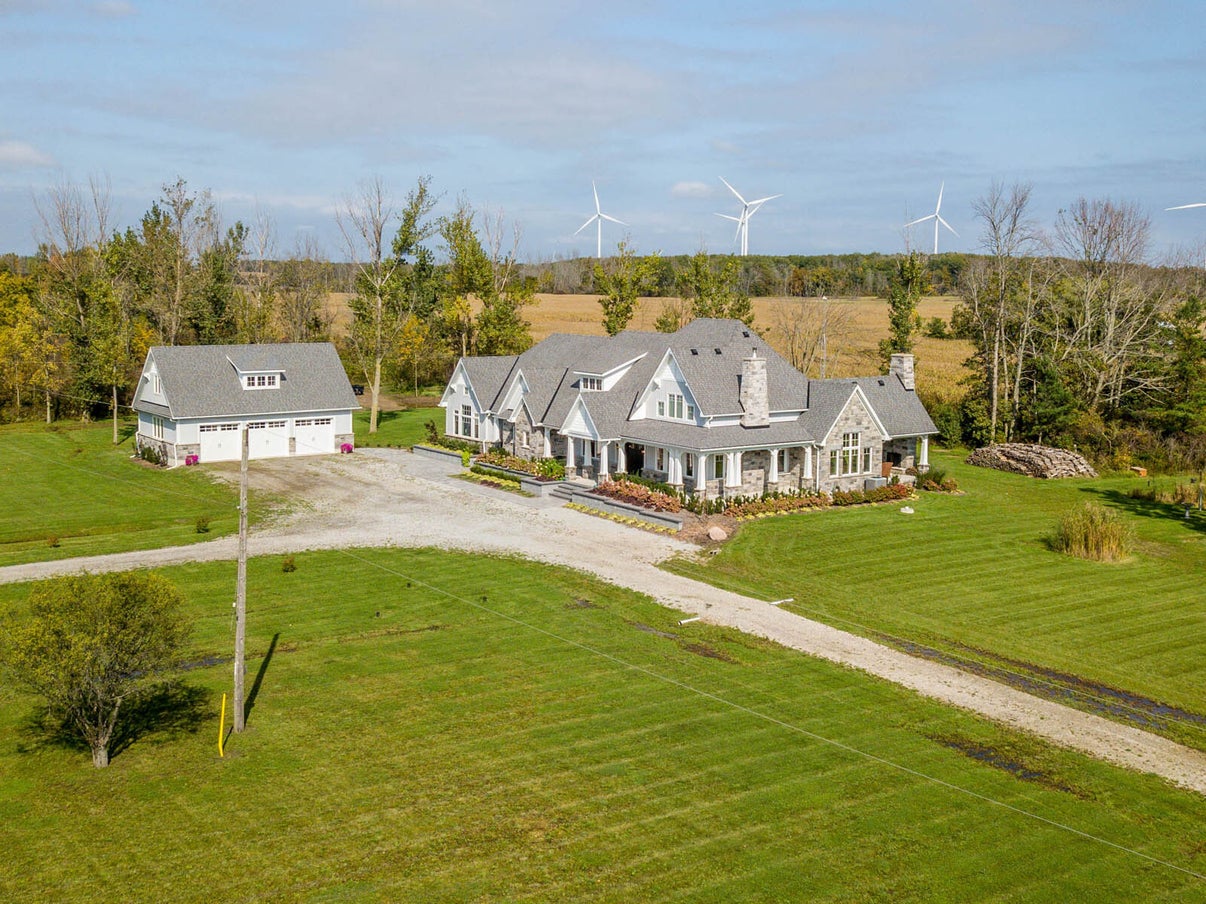
One of the biggest advantages of vacant land is that it isn't tied to a single purpose. Depending on local land-use rules, the same lot could later become a family home, a small farm, a weekend getaway, or simply stay untouched as your property value grows.This versatility allows buyers to adapt the property to changing needs over time, making vacant land a practical option for both personal and investment purposes.
Common Mistakes to Avoid When Buying Vacant Land
Purchasing vacant land can be a rewarding investment, but overlooking important details may lead to unexpected costs and development challenges. Avoiding these common mistakes can help you make a smarter buying decision.1. Ignoring Zoning Regulations
Failing to verify zoning laws can limit how you use the property. Always confirm that the land is zoned for your intended purpose before making a purchase.2. Skipping a Land Survey
Without a professional survey, you may not know the exact property boundaries or whether easements and encroachments exist. A survey helps prevent future legal disputes.3. Overlooking Utility Access
Not all vacant land has access to water, electricity, sewer, or internet services. Check utility availability and installation costs before buying.4. Forgetting About Legal Access
Ensure the property has legal access through a public road or a recorded easement. Landlocked properties can create significant challenges for development and resale.5. Not Researching Future Development Plans
Understanding nearby infrastructure projects, residential communities, or commercial developments can help you evaluate the property's long-term value and investment potential.Related Articles:
Perks of Small-Town Living
Where to Invest in Real Estate in Canada
5 Benefits of Living near Lake Erie & the Grand River
Need Expert Guidance on Buying Vacant Land?
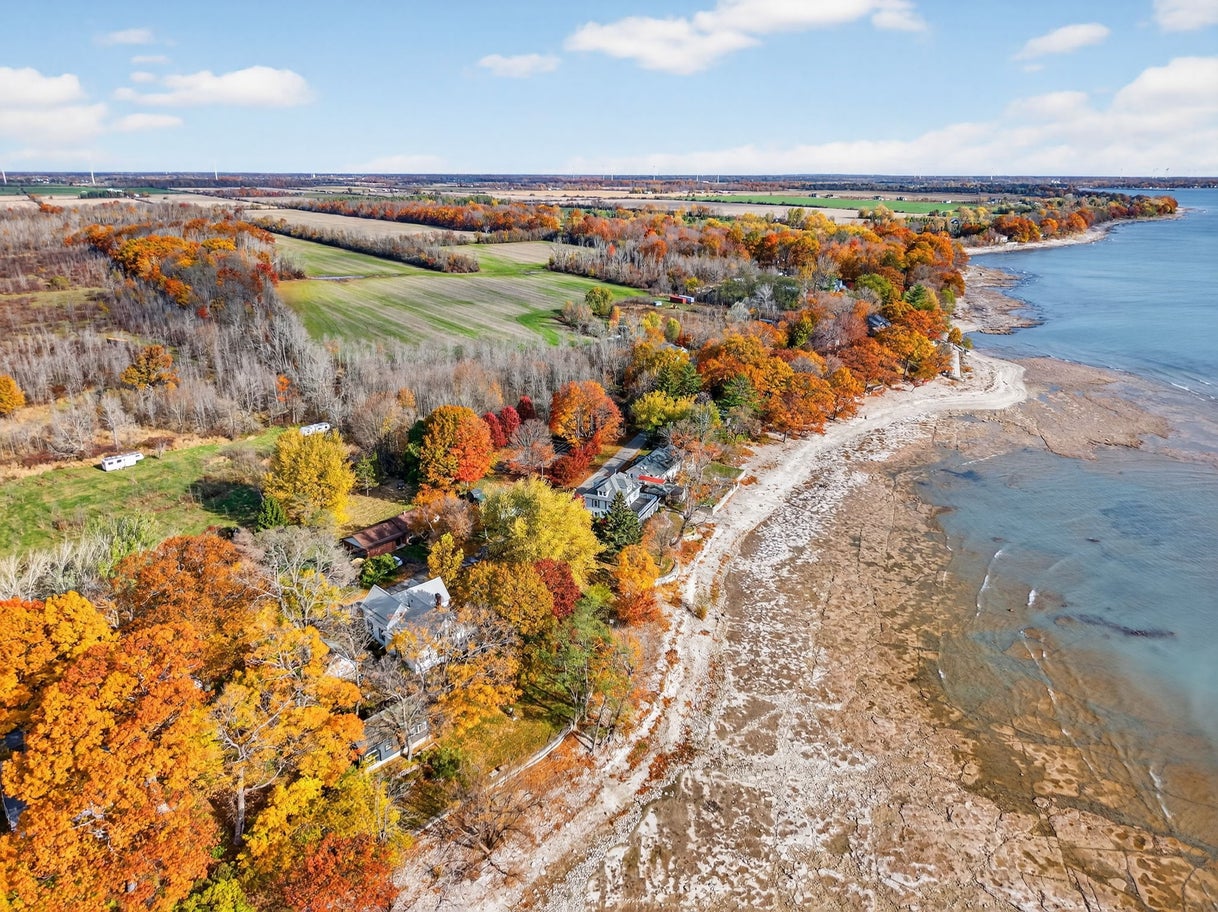
Purchasing vacant land requires careful planning and local market knowledge. Whether you're looking for the perfect lot to build your future home or a strong long-term investment, Corey Schilstra is here to help.As a trusted real estate agent serving Dunnville, Haldimand County, the Niagara Region, and surrounding communities, Corey offers honest advice and personalized guidance on zoning, property value, and the best opportunities available.
Looking for vacant land for sale in Ontario? Contact Corey Schilstra today to explore listings and make your next real estate investment with confidence.
Is Buying Vacant Land Right for You?
Buying vacant land can be an excellent choice if you're looking for flexibility, future growth, or a long-term real estate investment. It's ideal for buyers who want to build a custom home, hold property for future appreciation, or explore different land-use opportunities. However, it's important to understand the responsibilities that come with land ownership, including zoning regulations, permit requirements, utility availability, and development costs.Before making a purchase, evaluate your goals, budget, and timeline. If you've done your research and the property aligns with your plans, vacant land can be a valuable asset that offers both financial potential and the freedom to create something uniquely your own.